

The right workbook can turn “just another coloring page” into a daily moment of growth. Our new Tracing Workbook is designed for busy parents who want more than entertainment: it gives toddlers and preschoolers a gentle path from scribbles to confident pre writing skills, all through playful, screen free activities. Here are 7 ways our tracing workbook transforms everyday learning.
1. From Scribbles to Confident Strokes

Early tracing builds fine motor strength, hand eye coordination, and pencil control, which toddlers need before they can write letters or numbers clearly. With guided lines, arrows, and friendly illustrations, the workbook quietly trains little hands to move with purpose, not guesswork.
2. A Calm Focus Tool For Busy Brains

Short tracing paths give kids a clear goal, which helps them practice focus and self control in a low pressure way. Parents can pull out a single page during transitions, restaurant waits, or pre nap wind down to shift energy from chaos to calm attention.
3. A Head Start on Writing and Reading

Tracing lines, curves, and simple patterns is the foundation for forming letters, numbers, and shapes later on. As children repeat these motions, they build the muscle memory and visual pattern recognition that makes handwriting and early reading feel familiar instead of scary.
4. Montessori Inspired, Play First Design
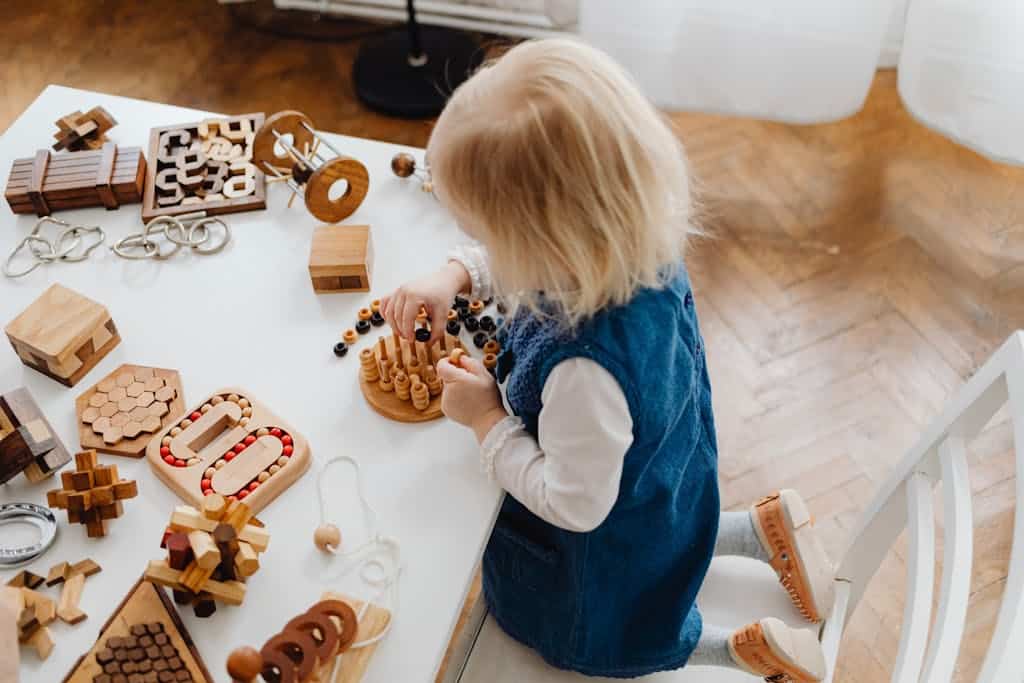
The workbook borrows from Montessori principles, inviting kids to explore at their own pace through tactile, visually rich pages that mix tracing, matching, and coloring. Instead of stiff drills, every activity feels like a game, so children stay engaged longer and ask to “do one more page.”
5. Screen Free Time That Still Feels Rewarding

Parents want less screen time, but kids still crave stimulation. Tracing activities give that same sense of progress and instant feedback while keeping little eyes and nervous systems away from bright devices. Each finished path or picture becomes something to show off on the fridge, not just another forgotten level in an app.
6. Easy For Parents, Flexible For Any Routine

The workbook works in five minute bursts or longer sessions. Tear out a page for the diaper bag, keep a stack near the breakfast table, or use it as a quiet time anchor after school. Caregiver notes at the front give quick tips on grip, posture, and how to gently support kids without taking over.
7. One Workbook, Many Little Wins
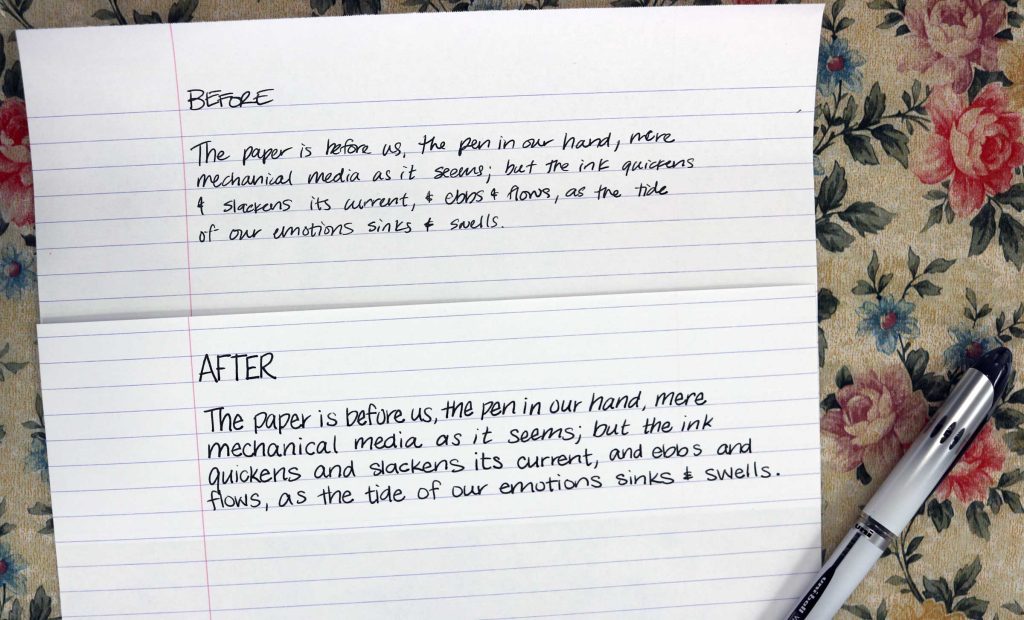
Over time, small daily tracing sessions add up to big changes in confidence. Kids see their lines getting smoother, their shapes more recognizable, and their coloring more controlled. That visible progress teaches them that practice leads to mastery, a lesson that carries into reading, math, and beyond.